The Difference Between Shamanism and Other Spiritual Practices
Understanding what makes shamanism unique among spiritual paths and healing modalities
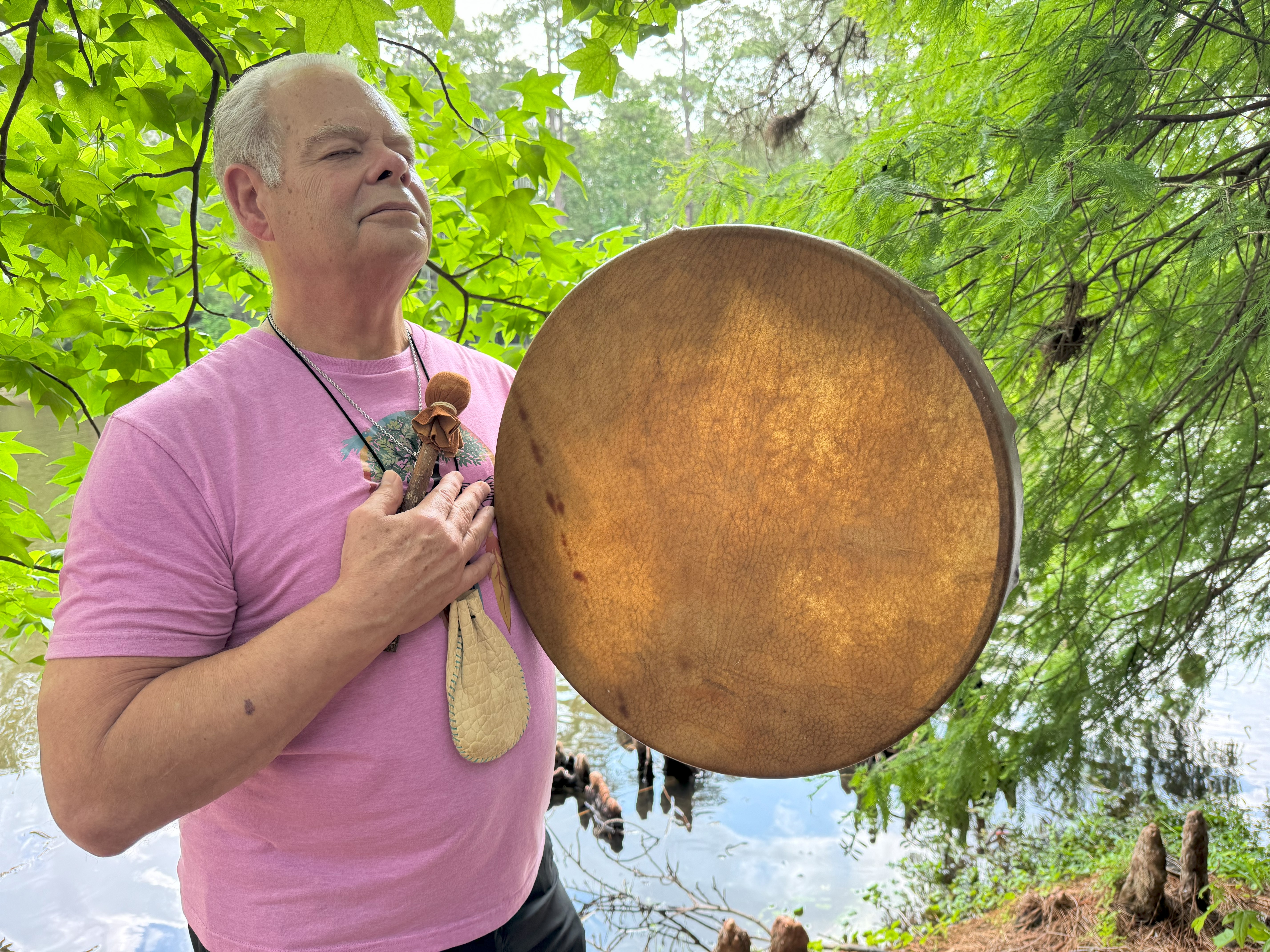
“What’s the difference between shamanism and meditation?” “Is shamanism a religion?” “How is this different from Reiki or energy healing?” These are questions I hear regularly from people exploring shamanic work for the first time. And they’re excellent questions—because while shamanism shares some surface similarities with other spiritual practices, its core methodology and worldview are quite distinct.
Understanding these differences isn’t about claiming shamanism is “better” than other paths—it’s simply about clarity. Each spiritual practice has its own gifts, its own medicine, and serves different needs. Let’s explore what makes shamanism unique.
What Is Shamanism?
Before we can understand what shamanism isn’t, we need to be clear about what it is. At its core, shamanism is:
Shamanism is a practice of direct revelation where the practitioner enters altered states of consciousness (through drumming, rattling, dance, or other methods) to journey to non-ordinary reality and interact directly with helping spirits for the purposes of healing, divination, and maintaining balance between the human and spirit worlds.
Key elements that define authentic shamanic practice:
Shamanism vs. Meditation
This is perhaps the most common confusion, because both practices involve altered states of consciousness. However, the similarities end there.
Meditation
Shamanic Journeying
The Key Difference: Meditation seeks to quiet the mind and dissolve identification with thoughts. Shamanic journeying uses focused intention to travel to spirit worlds and bring back specific information or healing. A meditator sits in stillness; a shaman goes on an active adventure.
Shamanism vs. Energy Healing (Reiki, Healing Touch, etc.)
Energy healing modalities like Reiki, Healing Touch, Pranic Healing, and others work with the human energy field to promote healing. While shamanic work also affects energy, the approach is fundamentally different.
Energy healers typically work by channeling universal life force energy through their hands into the client’s energy field. The healer acts as a conduit for energy but generally doesn’t journey to other realms or interact with spirits. The focus is on clearing, balancing, and strengthening the energy body.
Shamanic practitioners journey to non-ordinary reality to diagnose the spiritual cause of illness and retrieve lost soul parts, extract intrusive energies, or receive healing guidance from spirit helpers. The shaman works with spirits rather than channeling impersonal energy. The focus is on addressing spiritual causes of imbalance.
The Key Difference: Energy healing works primarily with the energetic anatomy of the person (chakras, meridians, aura). Shamanism works in the spirit realms to address spiritual causes of illness and works in partnership with spirit allies rather than channeling universal energy.
Shamanism vs. Religion
This is a crucial distinction. Shamanism is not a religion, though it can coexist with one.
Religion
Shamanism
The Key Difference: Religion requires belief in doctrine revealed through prophets or texts. Shamanism requires only the willingness to journey and discover truth through direct experience with spirits. A shaman doesn’t ask you to believe anything—they invite you to experience it yourself.
Important Note: Many people successfully combine shamanic practice with their religious faith. Christianity, Judaism, Buddhism, and other religions can coexist with shamanic practice because shamanism is a methodology, not a competing belief system.
Shamanism vs. Psychotherapy/Counseling
Both shamanism and psychotherapy address healing, but from radically different frameworks.
Works with the mind, emotions, behavior patterns, and past experiences. The therapist helps the client understand their psychology, process trauma, develop coping strategies, and change thought patterns. The healing happens through insight, emotional release, and behavioral change. Grounded in scientific research and psychological theory.
Works with the soul and spirit. The shaman addresses the spiritual dimensions of illness—soul loss, intrusive spirits, broken connections to power, or imbalances in one’s spiritual ecology. Healing happens through spiritual intervention—soul retrieval, extraction, power animal retrieval, etc. Grounded in shamanic cosmology and spirit guidance.
The Key Difference: Therapy works with psychology; shamanism works with spirituality. Therapy analyzes and processes; shamanism journeys and retrieves. Many people benefit from both—they address different dimensions of the human experience and can beautifully complement each other.
Shamanism vs. Intuitive Reading/Channeling
Intuitive readers, channels, and mediums also access non-ordinary information, which can look similar to shamanic work on the surface. However, the methods and frameworks differ significantly.
The practitioner receives information through clairvoyance, clairaudience, or allows spirits to speak through them. They may see visions, hear messages, or feel impressions. Generally remains in ordinary consciousness while opening psychic channels. Often gives information and guidance.
The practitioner actively enters non-ordinary reality through altered states, travels to specific spirit realms (Lower, Middle, or Upper World), and engages in dialogue and action with helping spirits. Maintains full awareness and control while journeying. Often performs spiritual healing work, not just information gathering.
The Key Difference: Channelers allow spirits to communicate through them while remaining in ordinary consciousness. Shamans journey to the spirits in their realms while in altered states. Channeling is more passive (receiving); shamanism is more active (traveling and doing).
Shamanism vs. Yoga
Both yoga and shamanism are ancient spiritual practices, but they developed in different cultures with different aims and methods.
Yoga
Shamanism
The Key Difference: Yoga seeks to refine and transcend the individual self to unite with the universal. Shamanism seeks to strengthen the individual’s connection to helping spirits and serve the community. Yoga is about personal enlightenment; shamanism is about maintaining balance between worlds and healing others.
What Makes Shamanism Unique?
After exploring all these distinctions, we can identify several elements that make shamanism truly unique:
Can Shamanism Work Alongside Other Practices?
Absolutely. One of the beautiful things about shamanism is that it’s not exclusive. Many people successfully combine shamanic work with:
Because shamanism is a methodology rather than a belief system, it can complement rather than compete with other paths. It offers something unique—direct access to spirit allies and specific techniques for spiritual healing—that enhances rather than replaces other practices.
Which Practice Is Right for You?
The question isn’t which practice is “better”—each serves different needs and resonates with different people. Consider shamanism if:
The Gift of Shamanism
What shamanism offers that is truly unique is this: direct access to compassionate helping spirits who want to partner with us in healing and wholeness.
You don’t need to believe anything. You don’t need to be enlightened or pure or spiritually advanced. You don’t need years of training or special abilities. You only need:
In a world where many of us feel disconnected—from nature, from spirit, from our deeper selves—shamanism offers a path back to remembering who we are and what we’re connected to. It reminds us that we’re not alone, that we have allies in the spirit world, and that healing is possible when we address the root spiritual causes of our suffering.
Whether shamanism becomes your primary path or complements other practices, it offers a unique gift: the direct experience of a living, responsive spirit world that loves you and wants to help.

Curious about experiencing shamanic healing or learning shamanic practices?
Connect With Randy
Not sure where to begin?
Start with a conversation. No question is too small, every message is held in confidence, and nothing is booked until it feels right to you.
Begin Your JourneyOr simply come and sit — Monday sound baths are open to everyone, no booking needed.
Houston · Spring
Conroe · The Woodlands, TX
Sessions in person and remotely.
Shamanic healing is complementary to, not a replacement for, conventional medical care. Please continue working with your healthcare providers. Randy is not a licensed medical or mental-health professional.